The five things missing from most fabrication drawings
Tolerance callouts on the wrong feature, no finish spec, no datum. Here is what an estimator actually needs to quote your part without a phone call — and what it costs you when it is missing.
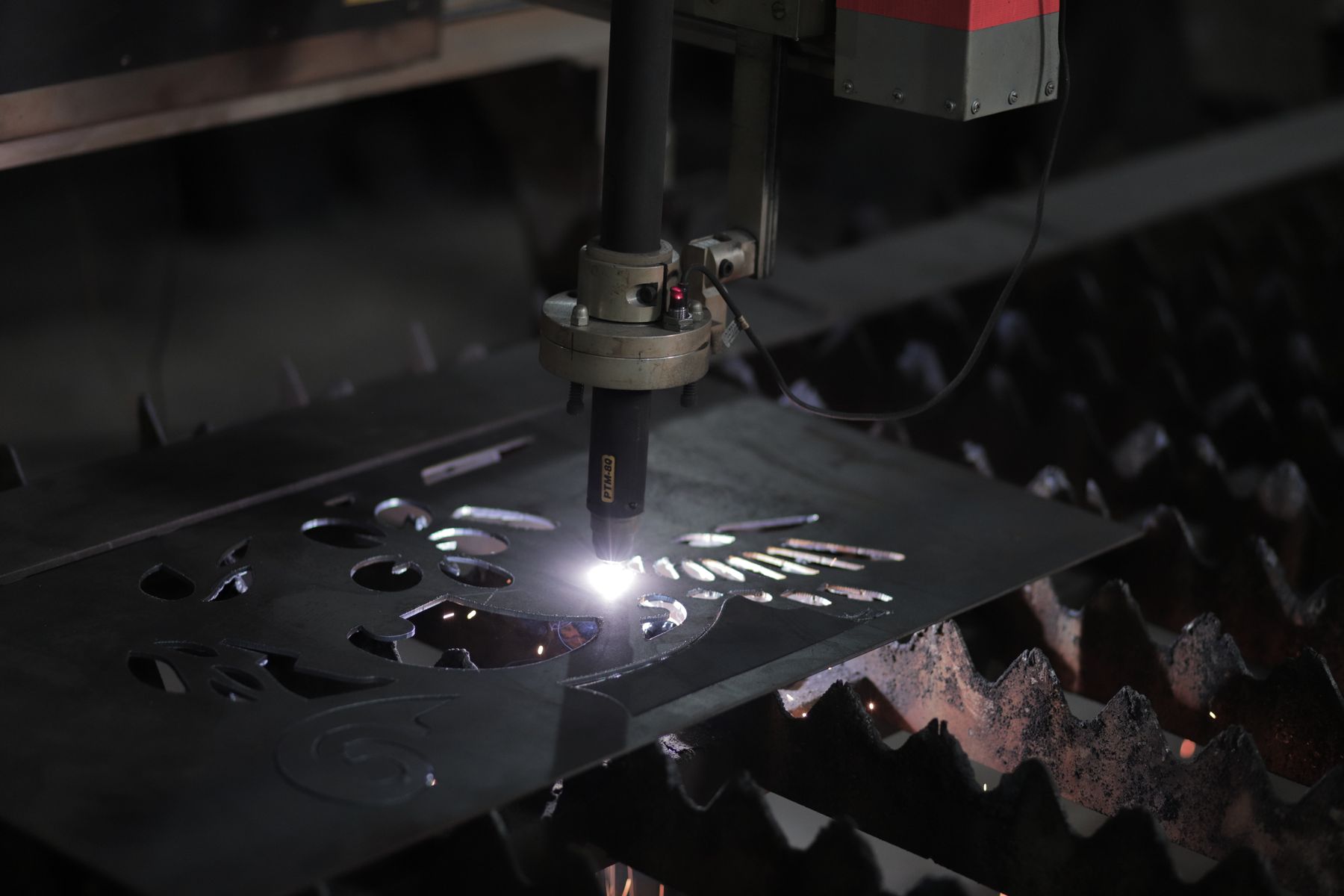
A drawing arrives, it goes to estimating, and within ten minutes somebody is emailing you a question. That round trip costs a day — sometimes three, if your engineer is travelling. Almost every time, the question is one of the same five things.
None of them require CAD work. They require a decision that somebody has to make eventually, and making it before you send the file is free.
1. Which dimension actually matters
A print with ±0.005 in on every dimension tells us nothing except that you have a title block. We will quote it as if every number is critical, because that is the only safe reading, and you will pay for inspection time on features that could have been ±0.030 in.
Mark the two or three features that mate with something else. Loosen the rest. On a typical bracket that single edit moves the unit price more than switching material.
2. A finish spec, not a colour name
"Clear" is three different quotes. A flame-polished edge, a diamond-polished edge and a UV-printed graphic all read differently under lobby lighting, and only one of them holds up to daily handling on a countertop display.
Tell us where the part lives and how it gets touched. We keep custom colour and finish matches on file, so the reorder in eighteen months comes back looking like the first run.
3. Quantity — and the reorder behind it
Fifty pieces once and fifty pieces a quarter are different jobs. If we know a reorder is coming we will amortise the fixture, nest the sheet differently, and hold the program file so run two does not repeat setup.
4. How the part gets handled after us
Does it ship to a dock, a store, or an installer in a van? Packing and kitting decisions belong in the quote, not in a scramble two days before the truck. Displays especially: the carton dictates the geometry more often than the geometry dictates the carton.
5. The thing that went wrong last time
This is the most useful line in any email we get. If the last supplier's edge crazed at the bond line, or the display took two people and a drill, say so. That sentence changes the design review, and it is the difference between quoting a part and fixing a problem.
Send the drawing with those five answers and you will usually have pricing, lead time and freight the next morning — with any change that would build cheaper noted alongside.
If everything is critical, nothing is. Tell us which three features you would reject a part over.
| Finish | Edge clarity | Touch-up |
|---|---|---|
| Diamond polish | Glass-clear | Not possible |
| Flame polish | Clear, faster turn | Not possible |
| UV-printed graphic | Surface print | Easy, panel swap |
Keep reading
All articles →
Cast vs extruded acrylic: when the cheaper sheet costs more
Extruded saves 30% on material and then crazes at the bond line. Where each belongs on an award or a display.
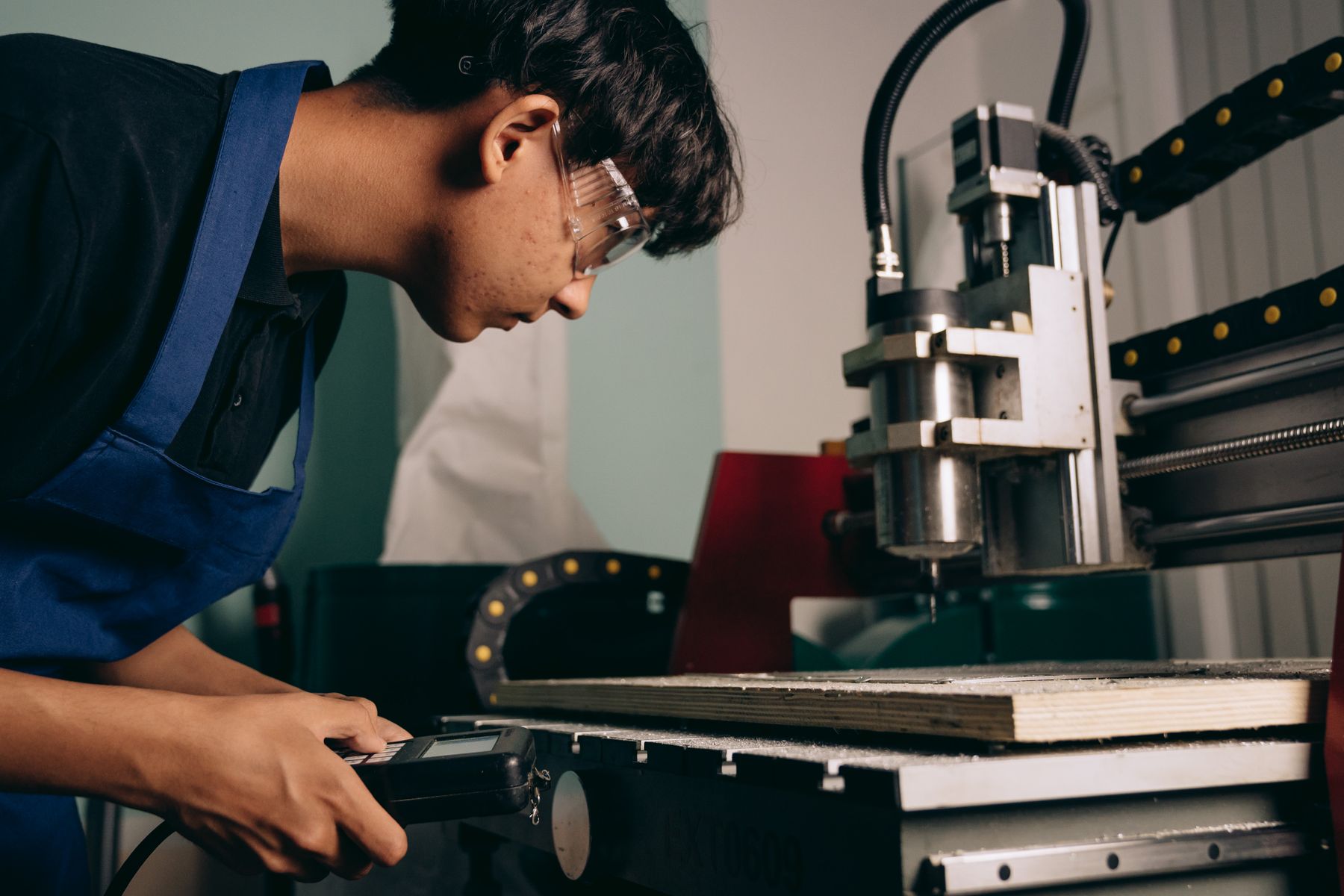
Why we build a first article before a production run
It adds three days and removes the argument. What goes in a first-article report and how to read one.
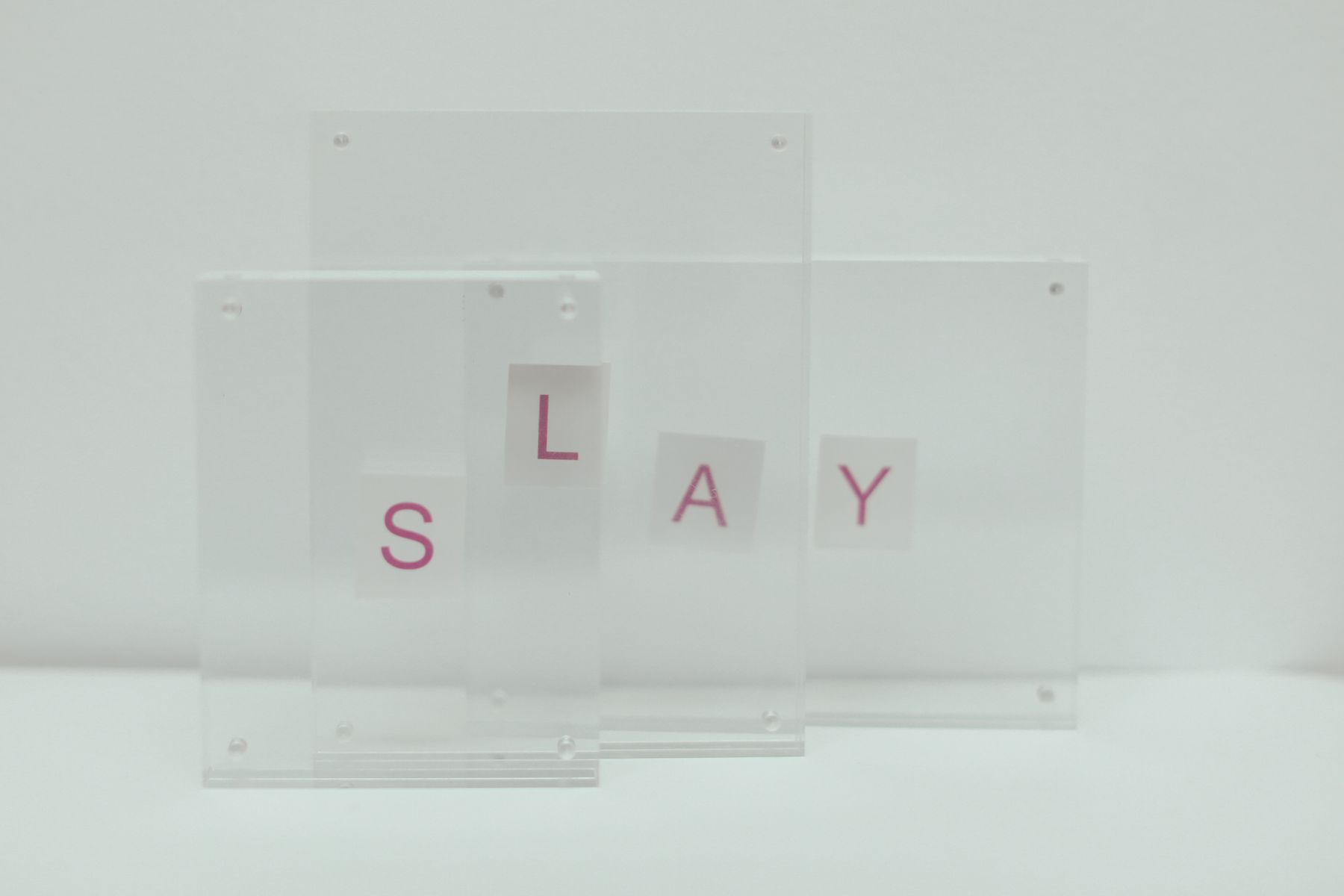
Diamond polish or flame polish: choosing an edge finish that survives
Edge clarity, turnaround and where a UV-printed graphic fits — how to pick a finish for a piece that lives in a lobby or on a shelf.