Why we build a first article before a production run
It adds three days and removes the argument. What goes in a first-article report and how to read one.
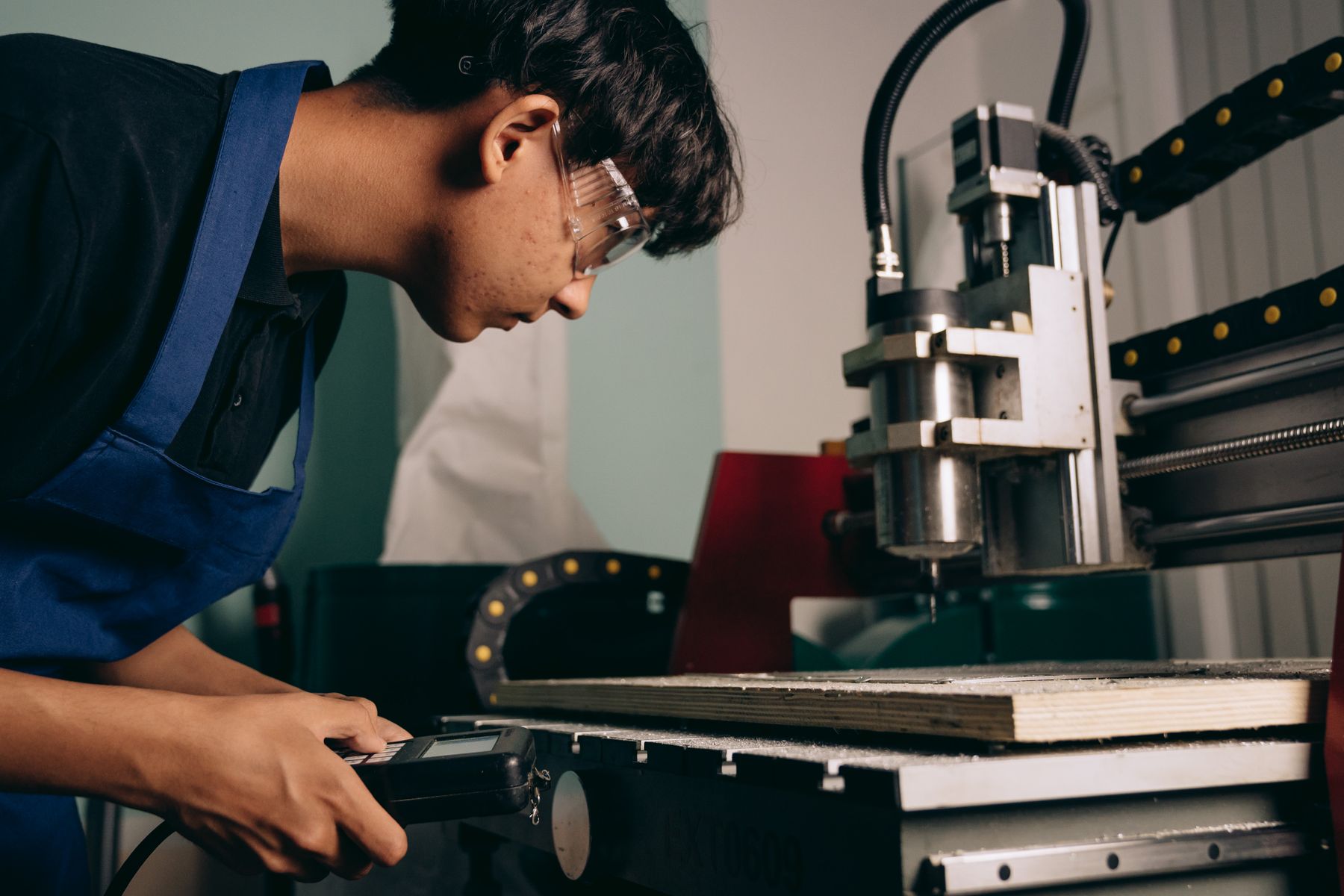
A first article is one finished part, built exactly the way the production run will be built, checked against the drawing before the rest of the sheet gets cut. It adds a few days to the schedule. It also removes the argument that happens when piece 340 does not match what anyone expected.
We do not skip this step for a rush job, and we do not skip it for a repeat customer who has ordered the same part six times — the seventh time is when a supplier changes a material lot without telling anyone.
What actually goes in the report
Every dimension called out on the drawing, measured and logged against tolerance. Finish and color checked against the approved sample or Pantone reference. Assembly fit confirmed if the part mates with anything else. It is not a photo — it is a number next to every callout.
Why this catches what a proof does not
A digital proof shows you the design. A first article shows you the process — whether the material lot behaves the way the last one did, whether the fixture holds the tolerance it is supposed to, whether the finish comes out matching the sample under the shop's actual lighting, not a monitor.
How to read one
Look at the dimensions closest to tolerance limits, not just the ones that passed. A feature sitting at the edge of spec on the first article usually drifts on a longer run — that is worth a conversation before production starts, not after.
It adds three days and removes the argument — that trade is worth it on every run, not just the large ones.
Keep reading
All articles →
The five things missing from most fabrication drawings
Tolerance callouts on the wrong feature, no finish spec, no datum. Here is what an estimator actually needs to quote your part without a phone call — and what it costs you when it is missing.
Tolerance callouts that actually change the price
Half the tolerances we receive cost money without doing anything. A short guide to which features deserve a tight number.
The engraving proof step that saved a recognition dinner
A validation pass on 1,400 names caught 22 errors nine days out. The workflow we now run on every award program.