Cast vs extruded acrylic: when the cheaper sheet costs more
Extruded saves 30% on material and then crazes at the bond line. Where each belongs on an award or a display.
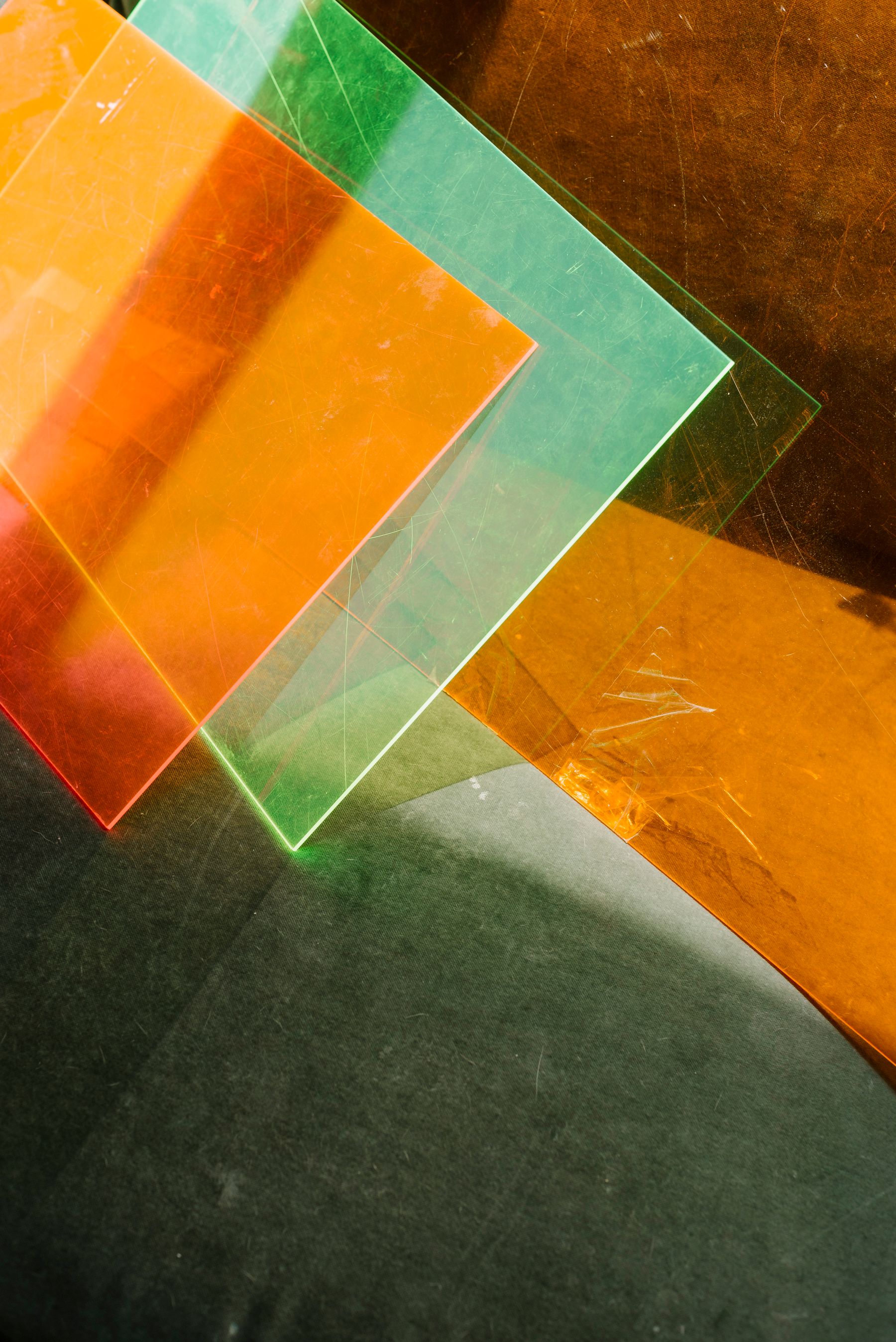
Extruded acrylic costs roughly 30% less than cast, sheet for sheet. On a large panel that difference is real money, which is exactly why it is worth knowing where extruded holds up fine and where it quietly costs more than it saved.
The short version: extruded is fine for flat, unbonded panels. Cast is worth the premium anywhere the piece gets solvent-welded, polished or laser-cut with fine detail.
Why extruded is cheaper in the first place
Extruded sheet is manufactured in a continuous process that runs faster and uses less energy than casting between glass plates. That efficiency is where the cost savings come from — it is a genuinely different manufacturing process, not a lower grade of the same material.
Where it crazes at the bond line
Solvent welding works by softening the surface of both pieces so they fuse. Extruded acrylic has internal stress from the extrusion process that a cast sheet does not, and solvent exposure can trigger fine surface cracking — crazing — right along that stressed bond line, sometimes not until weeks after assembly.
Cast acrylic anneals more evenly during production and bonds cleanly under the same solvent. If a piece is getting welded seams, cast is the safer call regardless of the price difference.
Where extruded is the right choice
A flat panel that is mechanically fastened rather than bonded, cut on the router rather than the laser, and does not need a diamond-polished edge — extruded performs identically to cast at a lower cost. Most large flat display panels and sign blanks fall into this category.
The 30% you save on extruded sheet disappears fast if the piece needed a bonded seam.
| Application | Recommended material | Why |
|---|---|---|
| Solvent-welded seams | Cast | Avoids crazing at the bond line |
| Diamond-polished edges | Cast | More consistent optical clarity |
| Flat, mechanically fastened panels | Extruded | Same result, lower material cost |
Keep reading
All articles →
Diamond polish or flame polish: choosing an edge finish that survives
Edge clarity, turnaround and where a UV-printed graphic fits — how to pick a finish for a piece that lives in a lobby or on a shelf.
Sheet gauges we keep on the rack, and why it matters to you
Stock on hand is the difference between a two-week and a five-week lead time. Here is what is standing in the racks.
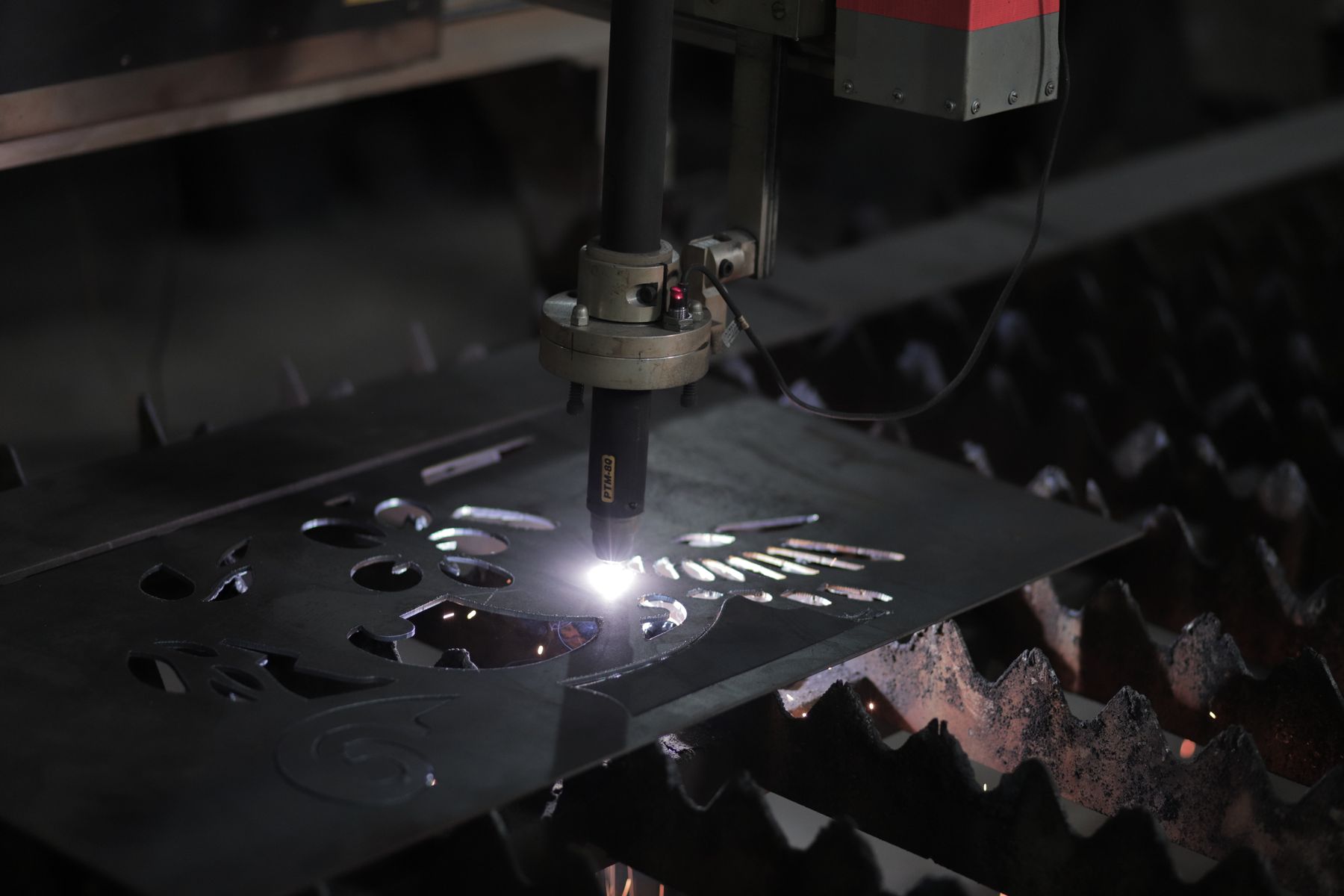
The five things missing from most fabrication drawings
Tolerance callouts on the wrong feature, no finish spec, no datum. Here is what an estimator actually needs to quote your part without a phone call — and what it costs you when it is missing.