Diamond polish or flame polish: choosing an edge finish that survives
Edge clarity, turnaround and where a UV-printed graphic fits — how to pick a finish for a piece that lives in a lobby or on a shelf.
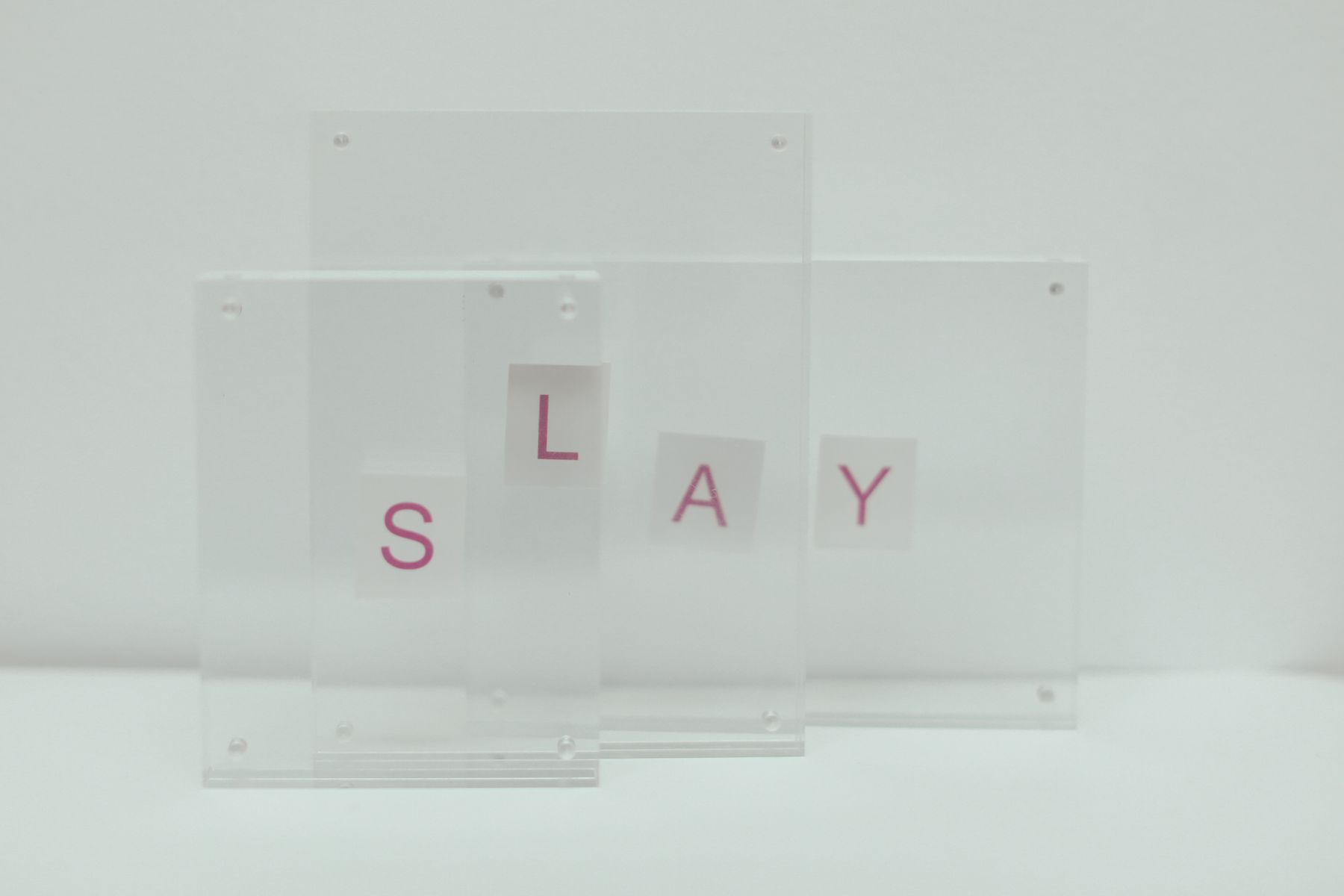
Both processes take a machine-cut acrylic edge to optically clear. Neither is better in every case — they solve different problems, and picking the wrong one for the application is the kind of mistake that only shows up after the part has been in service for a year.
The short version: flame polishing is faster and cheaper on thin edges; diamond polishing holds tighter dimension and handles thicker material without distortion.
How each process actually works
Flame polishing passes a precise torch along the edge, melting a thin layer smooth. It is fast and inexpensive, but the heat can round over a tight corner or slightly distort a dimension that needs to hold tolerance.
Diamond polishing is mechanical — a sequence of progressively finer diamond wheels removes material in stages until the edge reaches optical clarity, without heat and without moving the dimension.
When flame polishing is the right call
Thin edges, non-critical dimensions, high volume. A flame-polished edge on a thin acrylic sign blank looks glass clear and costs less than a diamond-polished equivalent, with no meaningful downside for that application.
When diamond polishing is worth the extra step
Thicker material, edges that need to hold a tight dimension, or a part where a slight heat distortion would be visible — a display case seam, an award base that needs to sit perfectly flat. That is where the mechanical process earns its cost.
Neither finish is universally better. The application decides, and guessing wrong only shows up a year later.
| Finish | Best for | Limitation |
|---|---|---|
| Flame polish | Thin edges, high volume, non-critical dimension | Can distort tight tolerances |
| Diamond polish | Thick edges, tight dimensions, visible seams | Slower, higher cost per part |
Keep reading
All articles →
The five things missing from most fabrication drawings
Tolerance callouts on the wrong feature, no finish spec, no datum. Here is what an estimator actually needs to quote your part without a phone call — and what it costs you when it is missing.
Cast vs extruded acrylic: when the cheaper sheet costs more
Extruded saves 30% on material and then crazes at the bond line. Where each belongs on an award or a display.
Tolerance callouts that actually change the price
Half the tolerances we receive cost money without doing anything. A short guide to which features deserve a tight number.