Professional edge finishing produces a smooth, glass-clear finish on acrylic and compatible plastics — no flame lines, no haze, no visible tool marks.
A router or table saw leaves a machine edge — straight and accurate, but visibly cut. Diamond polishing runs that edge past a rotating diamond wheel until it comes out optically clear, which is the difference between a part that looks assembled and one that looks finished.
It is the standard finish on anything that sits at eye level: award faces, display edges, signage — anywhere a customer's fingers or eyes land directly on the acrylic edge.
| Material | Thickness | Result |
|---|---|---|
| Cast acrylic | 0.06 – 1.00 in | Glass clear, best result |
| Extruded acrylic | 0.06 – 0.50 in | Clear with slight optical distortion |
| Colored & frosted acrylic | 0.06 – 0.50 in | Polished to a satin-clear edge |
| PETG & polycarbonate | Sheet-dependent | Case-by-case — ask before you quote |
Every piece is checked for chips or stress marks before polishing — a flaw that goes in comes out magnified, not fixed.
The edge runs through a sequence of wheels, each finer than the last, working out the machine marks in stages.
The final pass brings the edge to a true optical clarity — no flame lines, no haze.
Edges are checked under raking light before the piece moves to assembly or kitting.
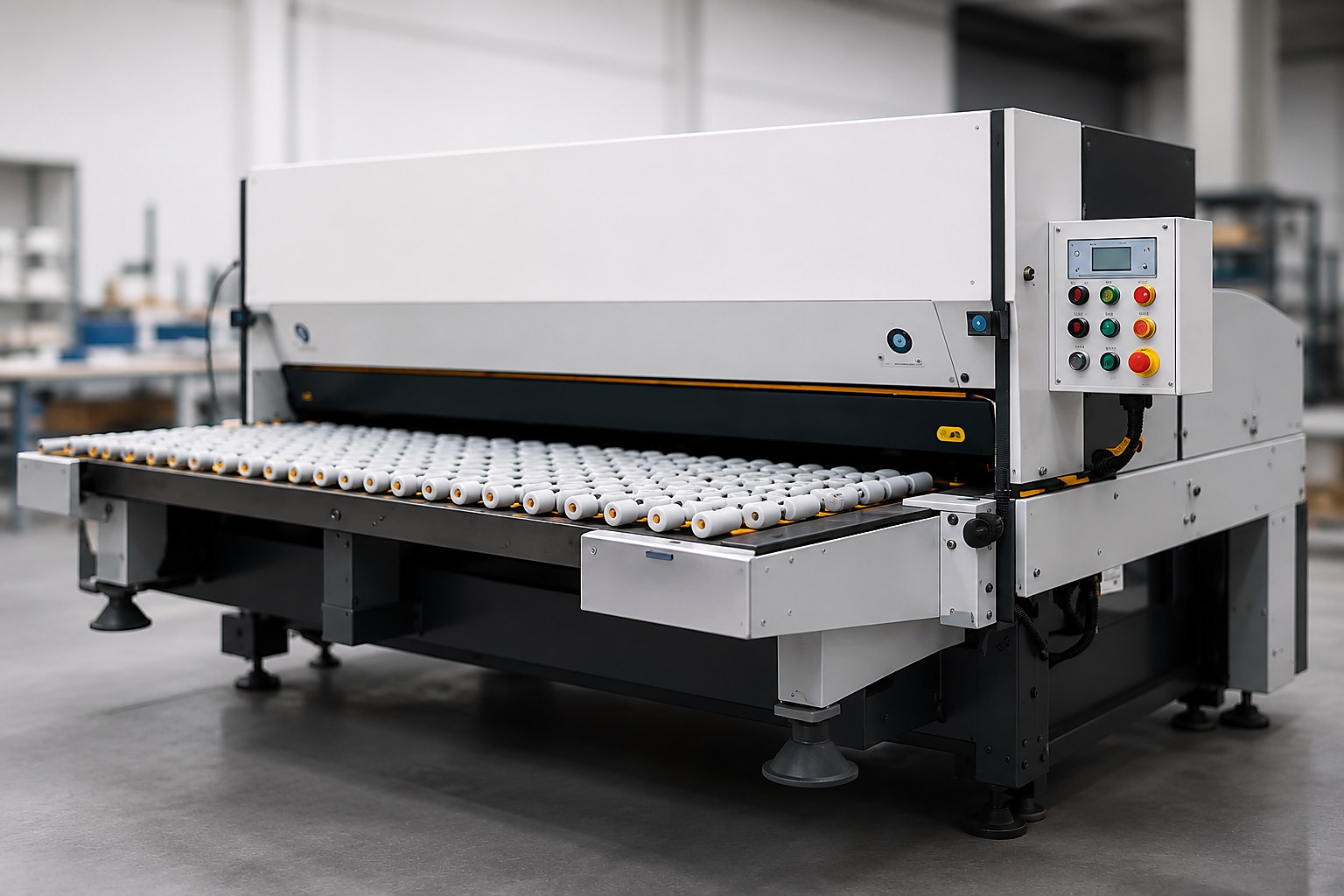
The edge polisher on the finishing line
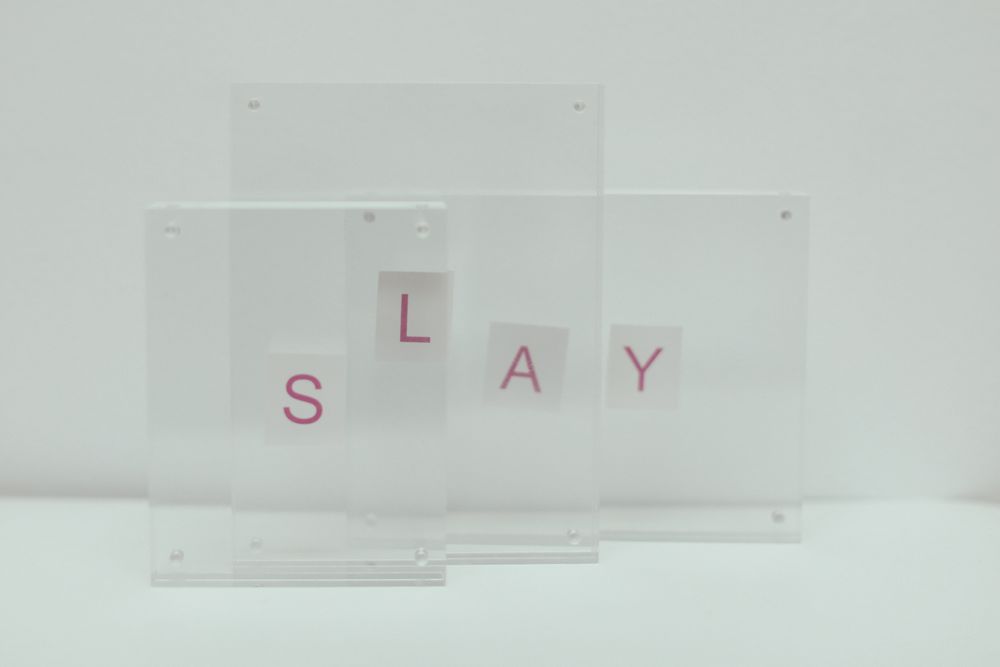
Finished panels, diamond-polished edges
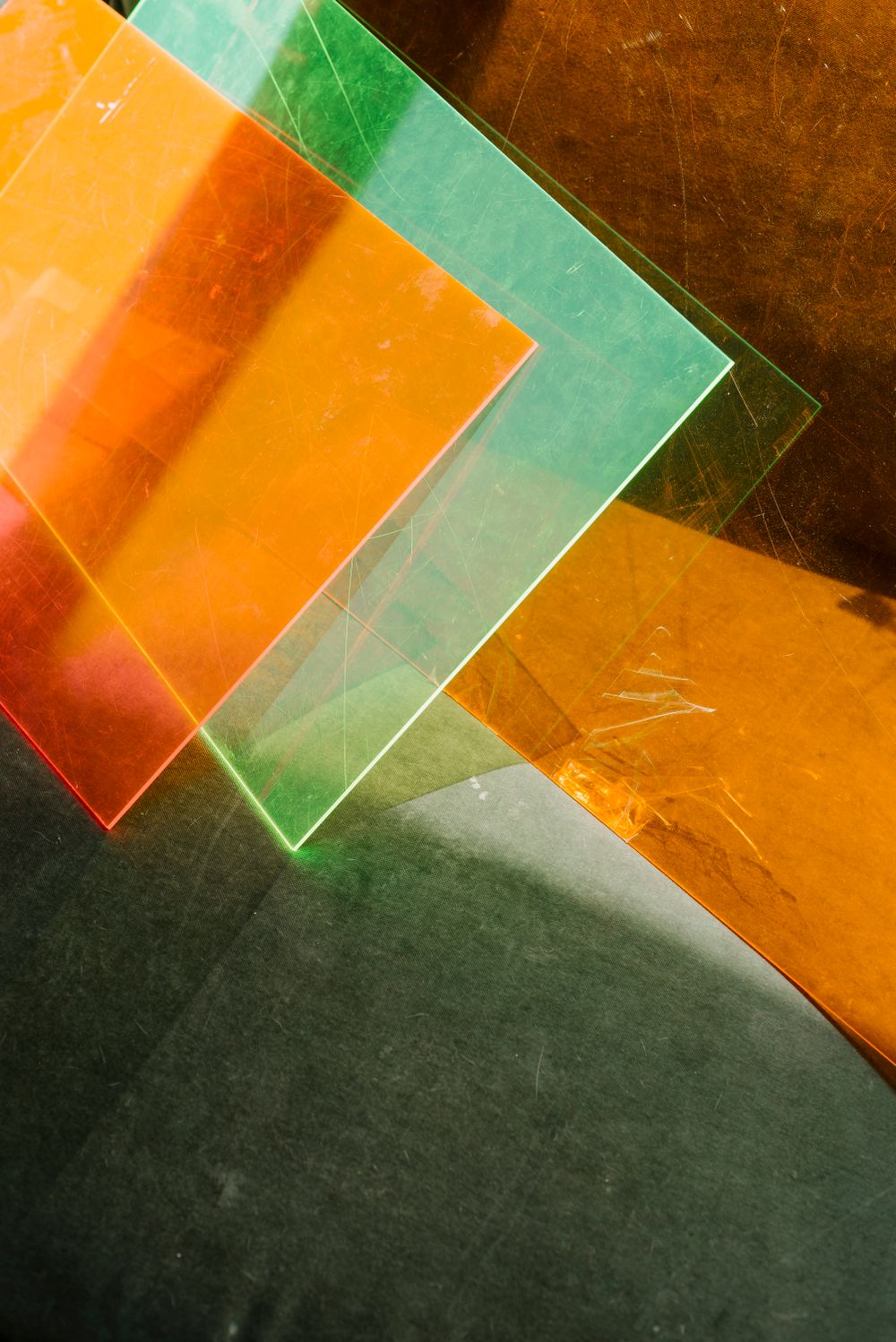
Color-matched blanks staged for polishing
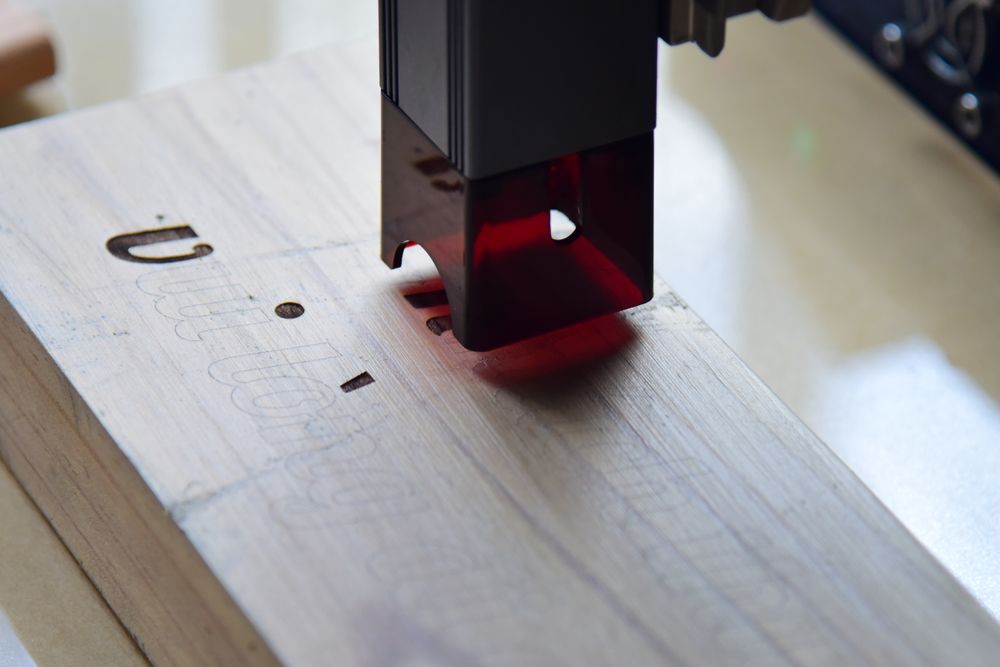
Award faces, polished and etched
No — flame polishing melts the surface with a torch, which works on thin edges but can distort tight tolerances. Diamond polishing is a mechanical process that holds dimension precisely.
Yes, as long as the material is a compatible acrylic. Send a sample piece and we will confirm before you ship the full run.
Minimally — we account for the small amount of material removed in the cut file, so the finished part holds spec.
Send the part or the file — an estimator replies with pricing and turnaround by the next business day.