Design your display for the freight bill, not the photo shoot
Two cartons per pallet layer instead of one is usually a 20% freight swing. Where to find that in the geometry.

A display that looks great in the trade-show photo and ships one carton per pallet layer is a display that costs twice what it should to get to 600 stores. The geometry decision that determines freight cost almost always happens before anyone thinks about freight — at the concept sketch stage.
Two cartons per pallet layer instead of one is usually a 20% freight swing on a multi-site program, and it is almost always available without changing how the display looks assembled.
The carton dictates the geometry
Work backward from a standard pallet footprint and carton height before finalizing the fixture's assembled dimensions. A display that is two inches too tall to nest a second layer on a pallet ships half as efficiently as one that just clears the cutoff.
Flat-pack beats pre-assembled almost every time
A knock-down fixture that assembles tool-free on-site takes up a fraction of the freight volume of the same fixture shipped built. The install time cost — usually five to ten minutes per unit — is nearly always cheaper than the freight difference on a rollout over a few hundred stores.
Weight is not free either
A heavily reinforced base looks sturdy in a rendering, but every pound adds to a per-unit freight cost that multiplies across a large rollout. Acrylic and aluminum construction usually holds the load a countertop or floor display actually sees without the weight penalty.
The trade-show photo does not pay the freight bill. The pallet layer count does.
| Design choice | Freight impact | Trade-off |
|---|---|---|
| Flat-pack, tool-free | Highest savings | 5–10 min install per unit |
| Pre-assembled, ships built | Highest cost | Zero install time |
| Reduced base weight | Moderate savings | None, if load spec is met |
Keep reading
All articles →
Kitting a 600-store rollout without a spreadsheet fire
How we structure BOMs, count sheets and cartons so a store manager can install without calling anyone.
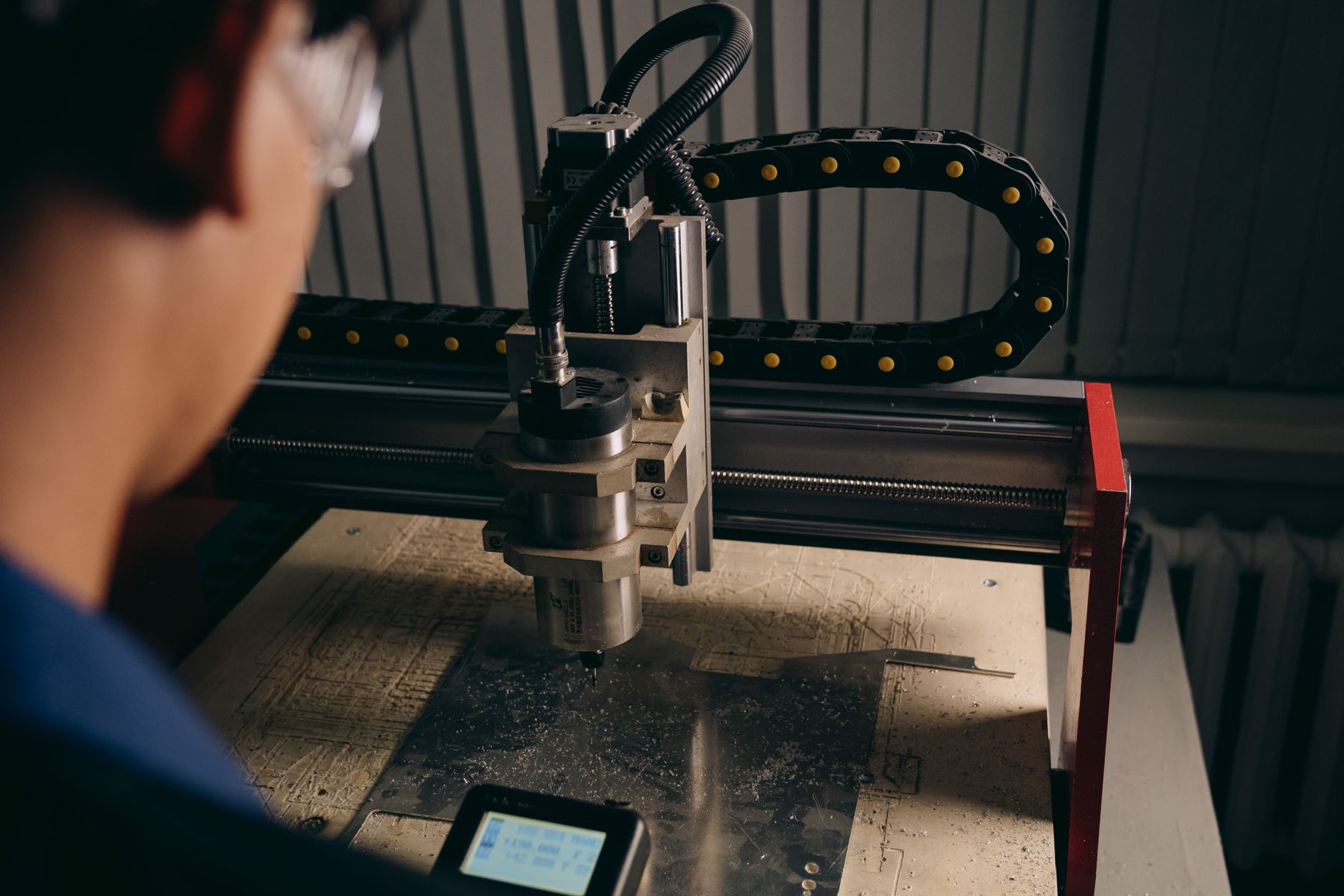
Tolerance callouts that actually change the price
Half the tolerances we receive cost money without doing anything. A short guide to which features deserve a tight number.

Sheet gauges we keep on the rack, and why it matters to you
Stock on hand is the difference between a two-week and a five-week lead time. Here is what is standing in the racks.